Will New York Meet its Goals for Offshore Wind Power?

Will New York Meet its Goals for Offshore Wind Power?

While New York has secured eight offshore wind contracts for development, energy experts say not enough investment is being made in the port infrastructure needed to assemble the turbines and deploy them out to sea. 

South Fork Wind under construction off the coast of Long Island. The project will be the one of the first large-scale offshore wind farms up and running in the United States.

New York has big plans to generate power from non-polluting renewable energy, produced by giant windmills floating in the Atlantic ocean.

Hochul signs ‘Birds and Bees’ Act

Hochul signs ‘Birds and Bees’ Act

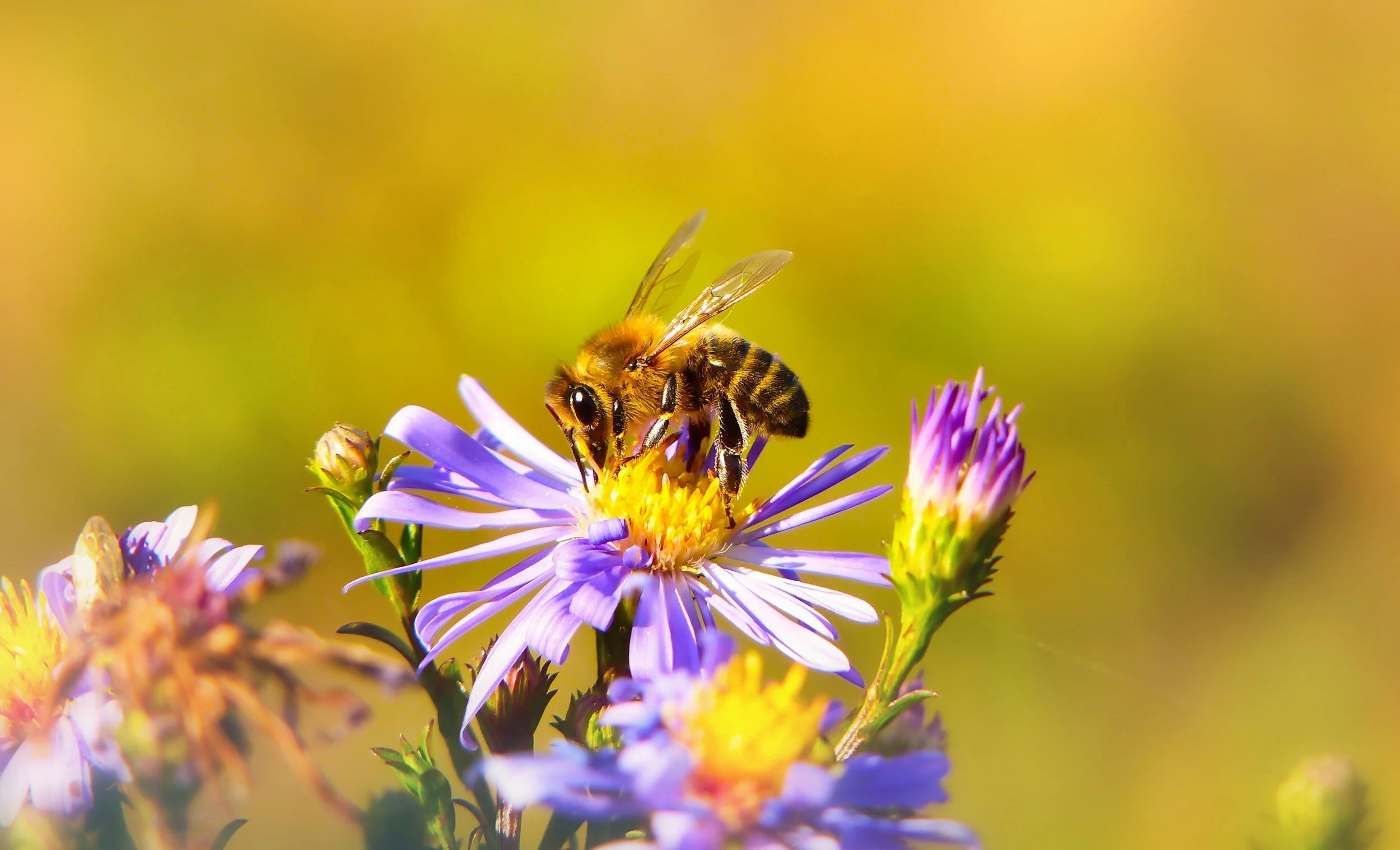
To help safeguard pollinators, New York State Gov. Kathy Hochul has signed the “Birds and Bees Protection Act.”

Signed into law last week, the legislation prohibits the use of specific neonicotinoid pesticide-treated corn, soybean and wheat seeds and neonicotinoid pesticides for outdoor ornamental plants and turfs. The ban goes into effect in 2027, according to published reports.

Hochul signs ban on controversial pesticide

Hochul signs ban on controversial pesticide

Substance is considered dangerous to bees

ALBANY — Gov. Kathy Hochul has signed a partial ban on neonicotinoids, a powerful and widely-used pesticide that environmentalists say is the most harmful chemical since DDT,  but which farmers have long relied upon to control pests.

NYS: 'Transformative,' $479 million investment for 156 local water infrastructure projects in every region

NYS: 'Transformative,' $479 million investment for 156 local water infrastructure projects in every region

Gov. Kathy Hochul announced $479 million in grants for critical water infrastructure projects, including the first funding awarded through the $4.2 billion Clean Water, Clean Air, and Green Jobs Environmental Bond Act of 2022, which was passed by voters after Hochul pushed to increase the total amount by $1 billion upon taking office. 

New Grants Advance TNC's Mission in Connecticut

New Grants Advance TNC's Mission in Connecticut

From Long Island Sound to large cities, areas across the state will see positive change through multiple grants recently secured by The Nature Conservancy. Awards will advance ongoing collaborative work with existing partners but will also engage stakeholders in new conservation projects.

Governor Hochul Signs First-in-the-Nation Bill to Limit Neonic Pesticides

Governor Hochul Signs First-in-the-Nation Bill to Limit Neonic Pesticides

Advocates, Health Professionals, and Farmers Celebrate

ALBANY, NY — A coalition of farmers, health professionals, and environmental groups are celebrating today after Governor Kathy Hochul signed the Birds and Bees Protection Act (S1856-A/A7640). The bill will limit the use of neonicotinoid pesticides (neonics), and, when fully implemented, would eliminate up to 80-90% of the neonics entering New York’s environment annually by prohibiting only unneeded neonic coatings on corn, soybean, and wheat seeds and non-agricultural lawn and garden uses.

Doctors, Farmers, and Advocates Call on Governor Hochul to Sign Neonic-Limiting Bill

Doctors, Farmers, and Advocates Call on Governor Hochul to Sign Neonic-Limiting Bill

10 Days Left for Governor to Protect New Yorkers’ Public Health, Environment

ALBANY, NY — With 10 days left to sign the Birds and Bees Protection Act (S1856-A / A7640), New Yorkers have called for action from Governor Kathy Hochul. Today, doctors, farmers, and advocates expressed concern that if Governor Hochul doesn’t sign the bill, an immense opportunity would be missed to protect people and the environment from neonic pesticide exposure. The Birds and Bees Protection Act would eliminate 80-90% of neonics from entering New York’s environment annually by prohibiting the use of neonic-coated corn and soybean seeds, as well as limiting unnecessary neonic lawn and garden uses.

Wind Farm Power Starts Flowing

Wind Farm Power Starts Flowing

Officials celebrate a first in federal waters as project’s completion nears

East Hampton Town officials, along with their counterparts from Suffolk County and New York State, were in a celebratory mood on Dec. 6 at Town Hall, where they toasted the clean, renewable electricity that last week began flowing from the South Fork Wind farm through 78 miles of underwater cable to a Long Island Power Authority substation in East Hampton.

Environmental advocacy groups urge Gov. Kathy Hochul to pass the New York State Birds and Bees Protection Act

Environmental advocacy groups urge Gov. Kathy Hochul to pass the New York State Birds and Bees Protection Act

The Birds and Bees Protection Act — the first bill in the United States that aims to prohibit the agricultural use of neonicotinoid pesticides, which decimate pollinator populations — has been awaiting signage by Gov. Kathy Hochul since its approval by the New York State Legislature in June. But after months of limbo and mere weeks remaining until the end of the year, environmental advocacy groups are pushing harder than ever to get the bill signed into law — keeping New York state at the forefront of national environmental legislation.

“We have worked on this bill for five years,” Adrienne Esposito, executive director of Citizens Campaign for the Environment (CCE), said.

Governor unveils new clean water program in Suffolk County, targets septics

Governor unveils new clean water program in Suffolk County, targets septics

As on any other weekday, traffic buzzed along Vanderbilt Motor Parkway in Hauppauge on Tuesday afternoon, Dec. 12. Yet unknown to those in their vehicles, it was no ordinary weekday.

Long Island To Receive State Funds For Clean Water

Long Island To Receive State Funds For Clean Water

Nassau and Suffolk Counties are set to receive a sizable portion of state funds aimed at clean water, as part of the state’s Clean Water, Clean Air, and Green Jobs Environmental Bond Act of 2022.

Governor Hochul Announces Transformative $479 Million Investment for 156 Local Water Infrastructure Projects in Every Region of New York

Governor Hochul Announces Transformative $479 Million Investment for 156 Local Water Infrastructure Projects in Every Region of New York

First Investments from the Environmental Bond Act and Latest Round of the Water Infrastructure Improvement and Intermunicipal Grant Programs

Funding Projected to Save $1.3 Billion for New Yorkers and Create 24,000 Jobs

Efforts to Improve Long Island Sound Receive $12 Million in Grants

Efforts to Improve Long Island Sound Receive $12 Million in Grants

Innovative Approaches to Protecting Long Island Sound

The Long Island Sound ecosystem encompasses a vast area across five states and is home to a rich diversity of marine and avian species. Recognizing the importance of preserving this vital natural resource, federal officials have recently announced the allocation of $12 million in grants to various organizations and a municipality working towards improving the ecological health of Long Island Sound.

Power Begins to Flow From South Fork Wind

Power Begins to Flow From South Fork Wind

Dotting the horizon like large vertical liferafts emerging from the fog, a grid of 12 yellow monopoles that will become the foundations for the South Fork Wind Farm are being fitted this month with towers and blades for the first utility-scale wind farm in federal waters in the United States.

Happy Holidays from CCE!


Looking back at a successful 2023—we couldn’t have done it without your support!

Happy holidays from everyone at CCE! 2023 has been another successful year as we fought to protect clean water, battle climate change, ban dangerous pesticides, and so much more. Here are some of our top accomplishments from the past year:

  • Offshore wind becomes a reality in New York: After many years of persistent advocacy from CCE, the first offshore wind turbines at the South Fork Wind Farm have been constructed—bringing clean, renewable energy to Long Island.

  • Funding the restoration of Long Island Sound and the Great Lakes: Despite threats of cuts from Congress, we were able to maintain funding for the Long Island Sound Restoration Act and Great Lakes Restoration Initiative.

  • Got lead pipes? Now you’ll know: There is no safe level of lead in drinking water. A new NYS law creates an inventory of all the lead pipes across the state and gives residents the right to know if they are drinking water that may be contaminated with lead. 

  • Fixing our sewage and drinking water infrastructure: We helped to secure $500 million in NYS to prevent sewage spills into waterways and to remove dangerous emerging contaminants from drinking water.

  • New York becoming a national leader in giving the public the right-to-know about PFAS “forever chemicals” in drinking water: After years of advocacy, NYS will soon require the testing of 23 additional PFAS chemicals in drinking water, while requiring prompt public notification when it is discovered. Additionally, we are continuing to support proposed national standards to limit PFAS in drinking water to the maximum extent possible.

  • Matching an all-time high for the NYS Environmental Protection Fund: Once again, we successfully advocated for a $400 million NYS EPF, which will help restore the Great Lakes and Long Island Sound, build community parks and save family farms across the state, advance environmental justice in disadvantaged communities, and so much more.

While we celebrate all the success we’ve achieved with your support, we recognize there is so much more work to do in the year ahead. We still await a decision from Governor Hochul on whether she will sign legislation to save bees by banning dangerous uses of toxic neonic pesticides. We need to move forward aggressively with more offshore wind to fight climate change. We also need to make corporations reduce their plastic packaging waste that is polluting our Great Lakes and Atlantic Ocean. We won’t be able to do this without your support, so please make an end of year donation today! Happy holidays and thank you for everything you do!

Happy Holidays,
All of us at CCE

Long Island Sound network awarded $262K for conservation efforts

Long Island Sound network awarded $262K for conservation efforts

The groups that make up the Long Island Sound Coastal Watershed Network have been awarded more than $262,000 to continue their efforts in addressing water quality issues. 

The network, a partnership between Citizens Campaign for the Environment, Save the Sound and The Nature Conservancy in Connecticut, received the funding from the National Fish and Wildlife Foundation, through the Long Island Sound Futures Fund.  

Long Island Sound watershed projects get $12M in grants

Long Island Sound watershed projects get $12M in grants

Thirty-nine grants totaling $12 million have been awarded to nonprofit organizations and a municipality working to improve the ecological health of Long Island Sound, federal officials announced Monday.

LAST CHANCE TO SAVE THE BEES!


Time is Running Out for Governor Hochul to Ban Toxic Neonic Pesticides in New York!

In June, the NYS legislature passed the Birds and Bees Protection Act with overwhelming support. On Tuesday, the bill was finally delivered to Governor Hochul. This started a 10-day clock for her to either sign or veto this landmark legislation. This bill would protect our pollinators from the most dangerous and toxic pesticide since DDT, neonicotinoids (A.K.A. “neonics”). Neonics kill bees, pollute water, and harm our health! Even if you’ve taken action in the past, we once again need your help in calling on Governor Hochul to sign this monumental legislation. Time is running out and we need YOUR help today!


Email Governor Hochul TODAY and tell her to sign the Birds and Bees Protection Act!


The Birds and Bees Protection Act
(S.1856A/A.7640) would ban neonic treated corn, soybean, and wheat seeds; as well as cosmetic uses of neonics on lawns, gardens, and ornamental plants. This will eliminate at least 85% - 90% of all neonics used in New York, protect water quality, and ensure we are not poisoning our birds, bees, and pollinators from this toxic pesticide. Neonics are contaminating surface and ground water across the state, often found at high levels. This toxic pesticide is threatening drinking water quality and our health. We need Governor Hochul to sign this crucial legislation into law! Email Governor Hochul today and urge her to sign the Birds and Bees Protection Act.

Background:

Pollinators, such as honeybees, butterflies, moths, and hummingbirds, are essential components of our food web. Massive bee die-off events and colony collapse disorder are putting our ecosystem and food production at risk. This rise in bee deaths has been largely linked to the explosive growth in the use of neonicotinoids and other harmful pesticides. Neonicotinoids (A.K.A. “neonics”) are pesticides that attack the nervous system of insects. These pesticides largely added as a seed coating to plants, such as corn, wheat, and soybeans and used as a spray for ornamental plants and turf. As a seed coating these chemicals persist and spread as the plant grows, making the entire plant toxic to bees and other pollinators. 

Neonics are also threatening New York’s waters. A 2018 U.S. Fish and Wildlife study found neonics in New York’s streams “in excess of toxicity and regulatory thresholds.” Additionally, extensive testing of New York’s surface waters by the USGS in 2016, found the neonic imidacloprid in nearly 40% of samples. There are currently 117 pesticides found in Long Island’s groundwater, with neonics being one of the most prevalent pesticide detected. Neonics are persistent in our water and environment, posing a serious threat to health and pollinators.

Corn, soy, and wheat treated seeds account for an estimated 73% of all neonics used in New York.  Lawn, garden, ornamental, and turf (aka cosmetic) uses make up an additional 15%. A 2020 report by Cornell University found that neonic treated corn, soy, and wheat seeds provide "no overall net income benefits" to farmers yet pose significant risk to bees and other pollinators.

Likewise, cosmetic uses pose a high risk to pollinators but are easily replaced with safer alternatives. These uses are unnecessary and must be banned to protect our pollinators.

Thank you! Together we can make a difference.
All of Us at CCE