
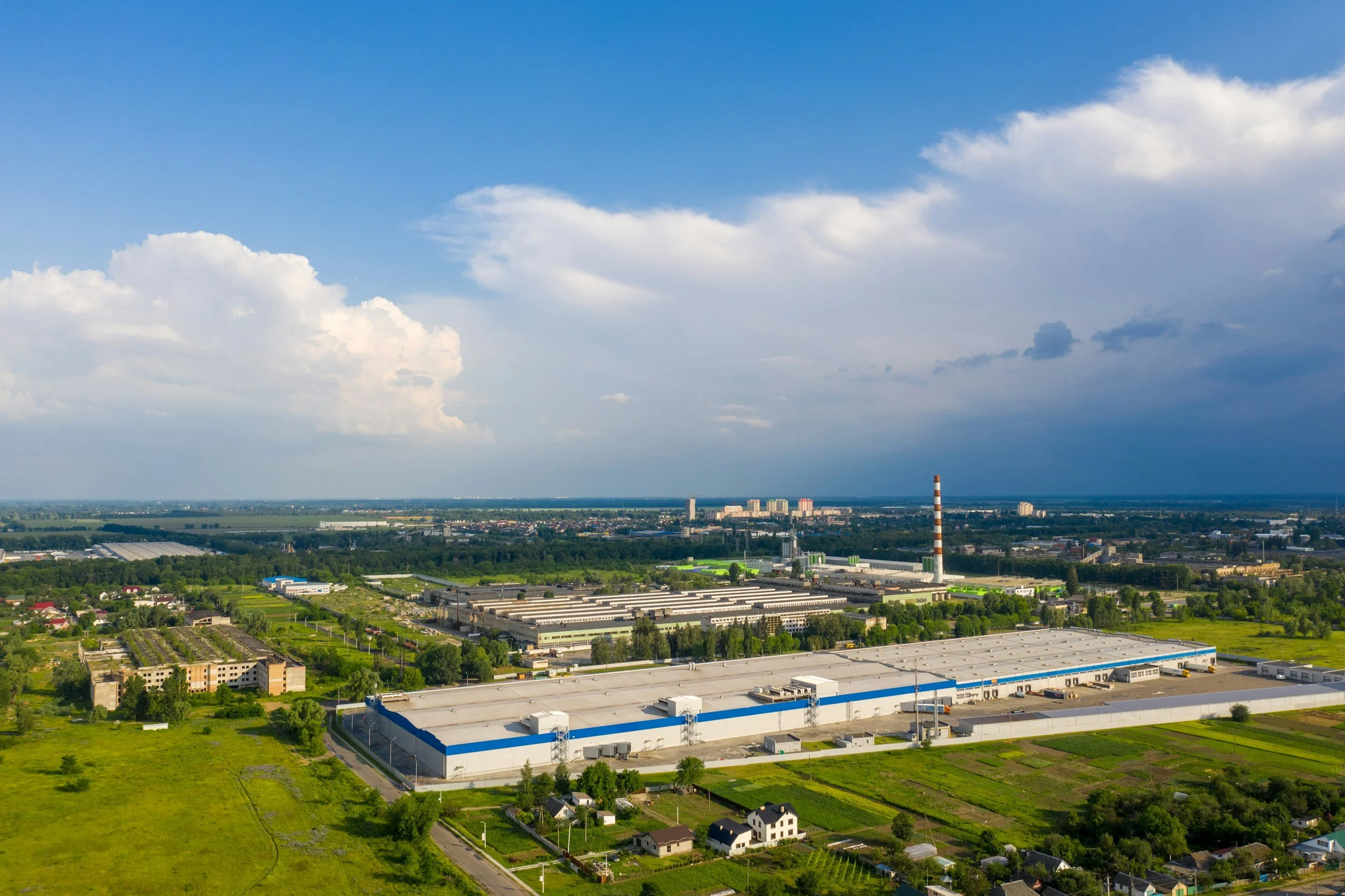
Demand a Stronger Environmental Review of Micron’s CHIPS Manufacturing Project!


Micron’s draft plan puts water, health, and climate at risk for all New Yorkers. Call for stronger protections before the August 11th deadline!

The Draft Environmental Impact Statement (DEIS) for Micron’s proposed semiconductor facility in Onondaga County, NY is available for public comment through August 11th, but it’s lacking critical protections for our water, health, and climate that will impact all New Yorkers.

This is one of the largest industrial projects in New York State history, backed by billions in public subsidies. The Proposed Project—as is—poses serious environmental risks that could impact not only Central New York but communities and waterways across the state. The DEIS fails to adequately address the use of toxic PFAS chemicals, the destruction of over 200 acres of wetlands and streams, and the need for robust renewable energy planning. We need your voice to help demand a stronger, safer plan. Submit your comment before the public comment period ends on August 11!

Background

Micron is proposing a massive semiconductor chip manufacturing campus in Onondaga County, NY, with the promise of job creation and economic growth. However, the current DEIS raises serious concerns:

  • Toxic PFAS “forever chemicals” will be used extensively in manufacturing, with little commitment to replace them with safer alternatives. These chemicals don’t break down, bioaccumulate in our bodies, and are linked to serious health issues including cancer, thyroid disease, and developmental harm.

  • PFAS-contaminated wastewater from the facility would be discharged into local waterways. The DEIS lacks a clear plan for on-site pretreatment, and local wastewater facilities cannot remove PFAS, putting our rivers, lakes, and drinking water at risk.

  • Over 200 acres of wetlands and thousands of feet of streams would be permanently filled and destroyed. Wetlands are essential for flood control, wildlife habitat, and protecting drinking water sources yet Micron’s current mitigation plan is insufficient and fails to meaningfully compensate for this extensive loss of high value wetlands.

  • The facility would require massive amounts of energy—increasing energy demand by 10% statewide—but offers only a minimal amount of on-site solar generation. It’s suggested the facility would rely on new or “advanced” nuclear power to meet its energy needs—an option that is too costly, too slow, and too risky.

What Needs to Change

We’re calling on the Onondaga County Industrial Development Agency (OCIDA) to strengthen the final Environmental Impact Statement by requiring:

  • A phase-out of PFAS chemicals wherever safer alternatives exist, and full transparency around their use;

  • On-site pretreatment of wastewater to remove PFAS to the lowest technically achievable levels before discharge;

  • Stronger wetland protections, including a scientifically supported mitigation plan with at least a 10-to-1 replacement ratio for destroyed wetlands and streams;

  • A real clean energy commitment, including solar, geothermal, and battery storage—not unproven new nuclear power.

Submit your comment TODAY and show OCIDA that New Yorkers are paying attention and won’t accept half-measures when it comes to clean water, environmental health, and climate action.

Thank you for taking action!

Sincerely, 
All of Us at CCE

Superfund cleanup of Long Island aviation site finally concludes

Superfund cleanup of Long Island aviation site finally concludes

A former aviation facility in Long Island that had contaminated groundwater and nearby drinking wells is ready for redevelopment following a decades-long cleanup, state environmental officials said Wednesday.

A $50 million superfund cleanup successfully restored nearly all of the 125-acre tract of land where Lawrence Aviation Industries once manufactured titanium sheet metal in Suffolk County.

DEC Announces Cleanup Milestone for Lawrence Aviation Superfund Site on Long Island

DEC Announces Cleanup Milestone for Lawrence Aviation Superfund Site on Long Island

Portion of Site Recommended for Removal from State’s Registry of Inactive Hazardous Waste Disposal Sites

New York State Department of Environmental Conservation (DEC) Commissioner Amanda Lefton today announced that the cleanup of the former Lawrence Aviation Industries site has reached a significant milestone in the removal of contamination from the site of the former industrial manufacturing facility in the town of Brookhaven, Suffolk County. The announcement was made during a visit by the Commissioner and local officials to the long-vacant industrial site on Long Island. Following cleanup and restoration efforts, environmental monitoring shows the site has achieved removal criteria to delist portion of the site from the Inactive Hazardous Waste Disposal Sites list (State Superfund Registry). DEC is seeking public review and comment on its determination that most of the site no longer requires further cleanup under the State Superfund (SSF) program.

DEC Announces New 43-Acre Conservation Easement to Preserve Open Space in Brentwood

DEC Announces New 43-Acre Conservation Easement to Preserve Open Space in Brentwood

Easement Permanently Protects Globally Rare Pine Barrens Ecosystem

Advances New York’s ‘30 x 30’ Open Space Protection Goals and Helps Connect New Yorkers in Environmental Justice Communities to the Outdoors

New York State Department of Environmental Conservation (DEC) Commissioner Amanda Lefton today announced the permanent protection of more than 43 acres of globally rare pine barrens owned by the Sisters of St. Joseph in Brentwood, town of Islip. DEC acquired a conservation easement from the Sisters and will jointly manage the property with them for groundwater an

Long Island Power Authority gets new leader at ‘pivotal’ time

Long Island Power Authority gets new leader at ‘pivotal’ time

Environmentalists, labor leaders, government officials and solar energy companies all welcomed the appointment of Carrie Meek Gallagher to lead the Long Island Power Authority.

It would probably be difficult to imagine someone with a background better suited to leading  LIPA than Gallagher, who takes the helm on July 7. She has more than 25 years of experience in public service, energy regulation and environmental policy — including time monitoring LIPA.

CCE Director Esposito discusses environment and health at PJS-Terryville Civic meeting

CCE Director Esposito discusses environment and health at PJS-Terryville Civic meeting

The June 24 Port Jefferson Station-Terryville Civic Association meeting at Comsewogue Library saw Adrienne Esposito, the executive director for the Suffolk based CCE (Citizens Campaign for the Environment), featured as a special guest. Esposito touched on a number of topics related to health, the environment and local infrastructure and in particular advocated for three bills in the state senate and assembly.

Why Is It So Hard for New York to Pass Climate Bills?

Why Is It So Hard for New York to Pass Climate Bills?

Environmentalists increasingly blame Assembly Speaker Carl Heastie — who’s firing back.

Tensions are still simmering among state lawmakers and advocates after the Assembly closed its 2025 session last week without passing any of this year’s flagship climate and environmental bills.

Legislators shelved measures to cut packaging waste, transition homes off fossil fuels, and ban toxic “forever chemicals” from everyday products. Each measure had passed the Senate, and an Assembly vote was the final hurdle. But most of them never came to a vote.

MTA granted another extension for Lawrence Aviation Industries site purchase

MTA granted another extension for Lawrence Aviation Industries site purchase

The MTA has requested and received another extension to complete its $10 purchase of a 40-acre Port Jefferson Station property for a future LIRR train station, Suffolk County officials said Tuesday.

The Metropolitan Transportation Authority had faced a June 30 deadline to close on the deal after two previous deadlines had passed in June and December last year.

Environmentalists wary as business, labor praise Hochul’s nuclear plan

Environmentalists wary as business, labor praise Hochul’s nuclear plan

Some environmental groups are slamming New York’s full-throated embrace of new nuclear.

ALBANY, New York — Labor unions and big manufacturers support Gov. Kathy Hochul’s full-speed-ahead push for new nuclear energy, but environmental advocates are wary.

Assemblywoman Rebecca Kassay’s Clean Water Septic System Bill passes Legislature unanimously

Assemblywoman Rebecca Kassay’s Clean Water Septic System Bill passes Legislature unanimously

Legislation Expands Access to Modern Septic Systems, Protecting Groundwater and Waterways Across New York 

In a major environmental and affordability win, Assemblywoman Rebecca Kassay announced the unanimous passage of her legislation (A8807/S8241-A) in both the New York State Assembly and Senate. The bill updates the reimbursement structure of the New York State Septic System Replacement Fund, making it easier and more affordable for New Yorkers to upgrade to advanced septic systems that significantly reduce water pollution, according to a press release.

Federal Clean Water Programs Facing 90% Cut


Tell Congress to Stand Up for Clean Water and Oppose Proposed Cuts!

New York and Connecticut’s drinking water and wastewater infrastructure is aging and failing, putting our economy, health, and environment at risk. Regrettably, the President has proposed to slash critical clean water infrastructure programs by nearly 90%, which if adopted, would severely worsen NY and CT’s clean water challenges. Significant funding cuts would hamper our ability to stop sewage overflows, treat drinking water for toxic emerging contaminants, make drinking water affordable to all, and create good-paying jobs. 

While the administration has proposed massive cuts, Congress has the power to fully fund these programs in the federal budget. We need NY and CT’s Congressional Delegations to reject these draconian cuts and protect clean water funding! Contact your two U.S. Senators and Representative in the U.S. House today and urge them to support full clean water funding! 

BACKGROUND

A look at New York and Connecticut’s clean water challenges:

  • The U.S. Environmental Protection Agency (EPA) estimates that there are at least 494,000 lead drinking water service lines in New York and over 146,500 in CT. Lead is a toxic heavy metal—there is no safe level of exposure to lead in drinking water, especially for infants and children. All lead pipes must be replaced.

  • According to reports generated by New York’s Sewage Pollution Right to Know law, there are 5 overflows of raw or partially treated sewage into New York waters every day. According to reports generated by Connecticut’s Sewage Right-to-Know law, approximately 2.8 billion gallons of raw or partially treated sewage were discharged into waterways in a single year.

  • Across the nation, there is a water main break every two minutes, and an estimated six billion gallons of treated water is lost each day. Water main breaks not only threaten access to clean drinking water, but also close schools and businesses, cause sink holes that damage roads, and hurt local economies.

  • The American Society of Civil Engineers gave New York and Connecticut’s drinking water infrastructure and wastewater infrastructure grades of C- and D+, and C and C-, respectively. 

  • While repairing and replacing New York and Connecticut’s clean water infrastructure is imperative, it is also costly. The EPA conservatively estimates that it will cost nearly $90 billion and $12 billion to upgrade NY and CT’s wastewater and drinking infrastructure over 20 years, respectively. 

Federal Clean Water Infrastructure Programs are Essential to Protecting Clean Water  
Congress created the Clean Water State Revolving Fund (CWSRF) in 1990 for the construction and repair of sewage infrastructure, and the Drinking Water State Revolving Fund (DWSRF) in 1996 to upgrade drinking water infrastructure and ensure safe water at the tap. Since the inception of each program, New York State has financed $37.1 billion in CWSRF projects and $10.1 billion in DWSRF projects. Connecticut has financed approximately $4.6 billion in CWSRF projects and $488 million in DWSRF projects. These programs have helped to support the construction of thousands of projects across NY and CT that have reduced harmful sewage overflows, protected drinking water from toxic contaminants, created thousands of good-paying jobs, and more! 

President Proposes Massive Cuts to both Clean Water Programs
The President recently issued his budget request for the upcoming fiscal year. He has proposed draconian cuts to both programs, which would nearly eliminate them. His budget request includes a:

  • 90.5% cut to the CWSRF ($1,483,861,000 cut)

  • 86.7% cut to the DWSRF ($976,101,000 cut)


Thank you for taking action!

Sincerely, 
All of Us at CCE
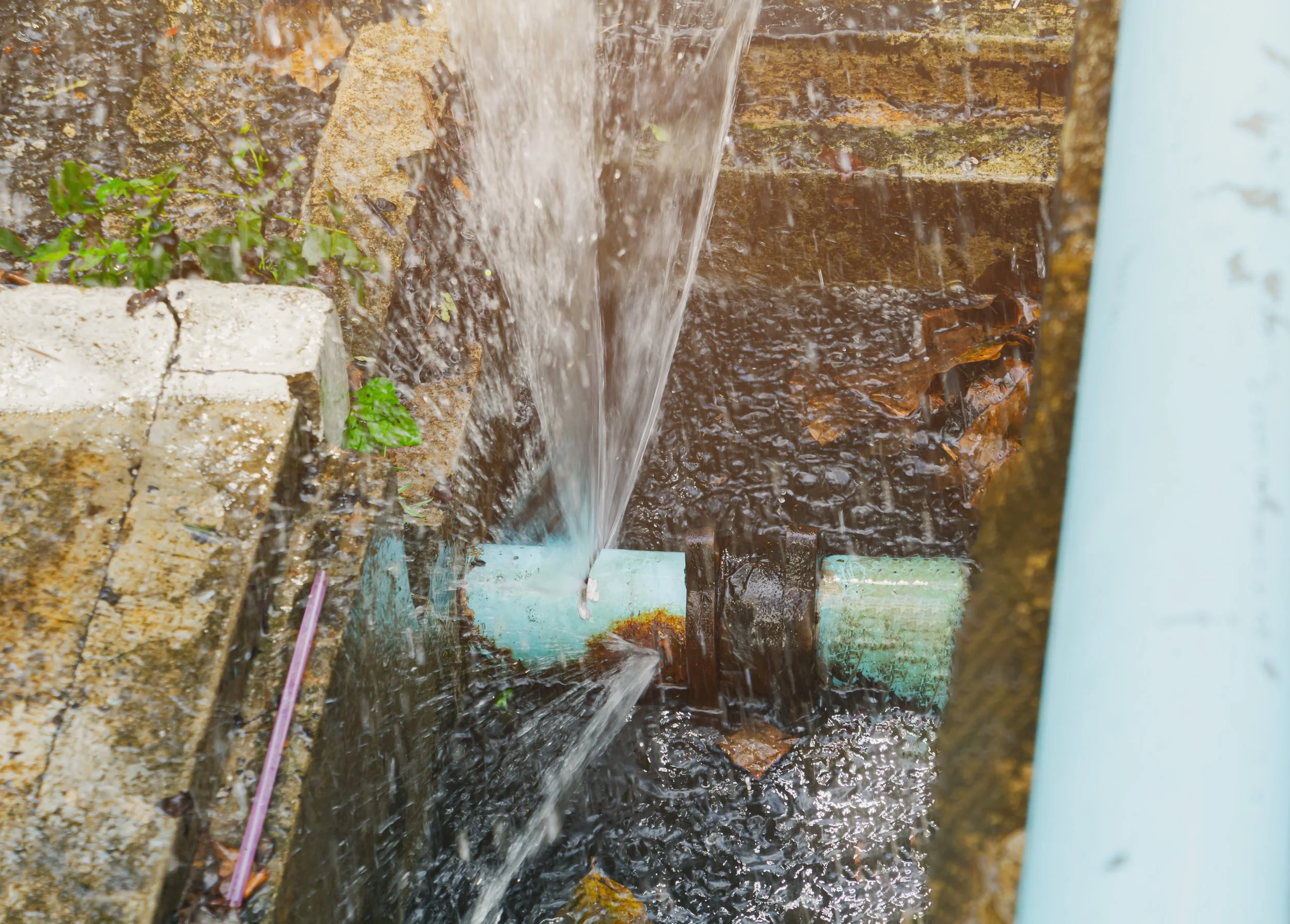
Turn Off the Tap to Dangerous PFAS Chemicals Now!


Photo by Netaly Reshef: https://www.pexels.com/photo/kitchen-cookware-piled-up-on-brown-wooden-rack-187083/


New York State Must Ban PFAS “Forever Chemicals” in Everyday Products

In recent years, communities across NY and the nation have discovered their drinking water sources are contaminated with harmful PFAS chemicals. PFAS are referred to as “forever chemicals” because they are very persistent, meaning they build up in our bodies and don’t break down in the environment. New science indicates that there is no safe level of exposure to PFAS in our drinking water and we must do more to protect public health from this growing threat.

In the 2025 NYS legislative session, the New York State legislature introduced legislation that would ban the use of PFAS chemicals in a host of everyday products—textile articles, rugs, fabric treatments, cookware, ski waxes, architectural paints, children’s products, anti-fogging sprays and wipes, dental floss, and cleaning products. This bill targets products in common use for which there are ample alternatives, and in most cases, restrictions already exist in other states or countries. The use of PFAS in these products is unnecessary, contributes to harmful PFAS pollution, and threatens public health. While the NYS Senate passed this important legislation, the NYS Assembly failed to act. We will continue to work to ban PFAS in consumer products in the 2026 legislative session.

Background

What is PFAS and where does it come from?

Per-and polyfluoroalkyl substances (PFAS) are a group of thousands of manufactured chemicals that have been used in industry and consumer products for many decades, due to their non-stick, grease-resistant and waterproof properties. PFAS is used in cookware, packaging, textiles, furniture, adhesives, paint, and numerous other products. According to the U.S. EPA, there are 3,500 industrial sites across New York State that may be handling or using PFAS chemicals.

PFAS Threatens our Health

Studies show that human exposure to PFAS is widespread—it’s estimated that 98% of people in the U.S. have PFAS compounds in their blood. Exposure to PFAS can lead to higher rates of kidney and testicular cancer, higher cholesterol levels, thyroid problems, adverse developmental effects and decreased immune response in children, and other adverse health impacts.

PFAS Pollutes our Environment and Drinking Water

Due to widespread use of PFAS chemicals in numerous products and industries, PFAS chemicals have become ubiquitous in the environment, including our soil, air, and drinking water. Testing has revealed some levels of PFAS in approximately 50% of public water systems across NYS, with about 250 water systems exceeding NY’s drinking water standards for two PFAS chemicals—PFOA and PFOS. EPA adopted stronger drinking water standards for several PFAS chemicals, which will cause an estimated 296 additional communities across NYS to exceed standards and have to treat drinking water for these harmful chemicals.

It’s Time to Turn Off the Tap to PFAS!

As we make important progress to remove PFAS from our drinking water, it does not make sense to continue using more PFAS and allow more contamination to occur! New York must get serious about limiting further PFAS contamination by banning unnecessary uses of PFAS in products. New York has already enacted laws to limit PFAS in firefighting foam, food packaging, carpets, and apparel; however, there are numerous other products that continue to use PFAS unnecessarily.

Thank you for taking action!

Sincerely, 
All of us at CCE

PROTECT HORSESHOE CRABS BEFORE IT'S TOO LATE


  Urge Governor Hochul to Sign the Horseshoe Crab Protection Act into Law!

Horseshoe crabs have existed for over 350 million years, having shared this planet with the dinosaurs. Sadly, the species is now vulnerable to local extinction unless action is taken soon. Horseshoe crab populations have been depleted largely due to commercial fishermen who catch them and chop them up for use as bait. Horseshoe crabs are an essential species in the food web—a decline in their population is harming the ecosystem and threatening bird species that depend upon the crabs for food. Currently, New York is woefully lagging in horseshoe crab protection.

In order to save the horseshoe crab, and the species that depend upon them, the New York State Legislature introduced a bill to ban harvesting of horseshoe crabs. The NYS Senate and Assembly passed this critical legislation during the 2025 legislative session. Next, the bill will be delivered to the Governor’s desk—email Governor Hochul today and urge her to sign this important bill into law! 

Background

Why are Horseshoe Crabs Important?
Horseshoe Crabs are an integral part of the ecosystem and act as a keystone species in the food web. Each spring, horseshoe crabs travel from deep Atlantic waters to the shore for their breeding season. Beaches are stormed with mating horseshoe crabs, with females laying tens of thousands of eggs at a time in clusters buried under the sand. Every year, horseshoe crabs lay their eggs on beaches at full and new moon high tides from April to June.

Millions of shorebirds stop along our Atlantic beaches to nourish themselves on horseshoe crab eggs. These eggs are the single most important food source for migrating shorebirds, including threatened birds, such as the Red Knot. Experts predict that the Red Knot may become extinct in the coming years, unless more protective measures are undertaken to protect horseshoe crabs. Furthermore, sharks, sea turtles, sportfish and other species also feed on horseshoe crabs, making them a critical component of the food web.

Biomedical Uses
The blood of horseshoe crabs contains a critical component, Limulus Amoebocyte Lysate, known as LAL. This unique compound clots when exposed to bacteria or bacterial endotoxins. Some medical equipment and devices such as IV tubing are also tested with LAL. Currently, scientists have found synthetic compounds that reproduce LAL, which are now being used by Pfizer, Eli Lilly and other leading pharmaceutical companies. There have been NO permits issued in over a decade for the harvesting of horseshoe crabs for medical uses in NY waters. All the permitted harvesting of horseshoe crabs is for fishing, not biomedical purposes. However, as other states prohibit taking for biomedical uses, pressure to permit the practice may increase in NY if action is not taken to protect horseshoe crabs.

Horseshoe Crabs Under Threat
For decades, horseshoe crabs were looked upon as unimportant to our waters. They are slow to mature and therefore are susceptible to harvesting pressures. Horseshoe crabs were once used as fertilizer and livestock feed, which almost led to their populations being wiped out in the 1940s. In the 1970s, the populations recovered only to see resurgence in their use as bait for eel, conch, and whelk fisheries. The horseshoe crabs are chopped up and used as bait by commercial fisherman.

The Atlantic States Marine Fisheries Commission reported horseshoe crab stocks have been in decline for at least 15 years. Horseshoe crab populations were rated as “good” in 2009 but declined to “poor” in 2019. The International Union for the Conservation of Nature has listed horseshoe crabs as vulnerable to local extinction in our region. The importance of horseshoe crabs to our ecosystem and the growing threat to the survival of the species had led other states, including Delaware, Connecticut, and New Jersey, to implement policies banning the taking of horseshoe crabs. 

New York State Needs a Ban on Horseshoe Crab Harvesting
This year, the New York State Senate and Assembly introduced and passed the Horseshoe Crab Protection Act (S.4289 / A.4997), which prohibits the taking of horseshoe crabs for commercial and biomedical uses. This legislation will allow New York to restore the population of horseshoe crabs and ensure the survival of this species for future generations. Neighboring states, including Connecticut, have already enacted similar legislation. It is time for NY to step up and ban the harvesting of horseshoe crabs—Governor Hochul must sign this important bill into law! 

Thank you for taking action!

Sincerely, 
All of us at CCE

7 LI environmental groups to share $659G in grants to support pollinator conservation efforts from Roundup weedkiller settlement

7 LI environmental groups to share $659G in grants to support pollinator conservation efforts from Roundup weedkiller settlement

Seven Long Island environmental organizations are receiving a combined $659,000 in grants to support pollinator conservation efforts, grow thousands of native plants and create new community gardens, according to the state Office of the Attorney General.

Plan to convey part of Kings Point Park for community center parking lot dies in Albany

Plan to convey part of Kings Point Park for community center parking lot dies in Albany

A proposal to alienate 2.48 acres of Kings Point Park to create a parking lot for a community center died in the State Assembly on Tuesday. 

The bill, proposed by Assemb. Daniel Norber (R-Great Neck), did not make it to the floor before the legislative session ended Tuesday. A companion bill proposed by State Sen. Jack Martins (R-Old Westbury) passed the Senate on Friday.

Federal, State and Local Partners Renew Pledge to Protect Long Island Sound

Federal, State and Local Partners Renew Pledge to Protect Long Island Sound

On Friday, June 20th, over 125 engaged citizens and governmental officials celebrated forty years of advocacy by partners of the Long Island Sound Study (LISS) to protect Long Island Sound, our nation’s second largest estuary, from pollution and other threats. The milestone was marked by the renaming of LISS to Long Island Sound Partnership (LISP) and the signing of a new bipartisan Comprehensive Conservation & Management Plan (CCMP). “The CCMP provides a blueprint for collaboration and establishes goals, objectives and actions for the next 10 years to further restore and protect the Sound.”

Suffolk County to study more sites as it expands water probe near Grumman's Calverton campus

Suffolk County to study more sites as it expands water probe near Grumman's Calverton campus

Suffolk County has launched a new probe into groundwater contamination around the former Grumman plant in Calverton, heeding calls from activists who worry the plume is threatening more private drinking wells, officials said.

Micro-apartments, community theater proposed for Farmingdale

Micro-apartments, community theater proposed for Farmingdale

A new community theater, a restored 300-year-old home and “micro-apartments” near downtown.

These are among the projects Farmingdale leaders are hoping to realize using a $4.5 million New York Forward grant the village was awarded this spring. The village plans to hold a series of public meetings to gather ideas about the best ways to spend the money.

Push on to pass NY packaging reduction bill

Push on to pass NY packaging reduction bill

Local and statewide environmental advocates are extremely concerned New York state assembly leaders are going to leave Albany next week without approving a packaging reduction bill that they say would cut plastic waste, improve public health and reduce costs for taxpayers.